
Of Mice and Mounts
29 Septemer 2024
Story by Stéphan Willemse
Photos by Danny Greenblatt & Stéphan Willemse
The road from Wellington stretched out beneath us, winding its way through the late afternoon light, the Outlander smelling new and humming steadily. We were bound for Mount Ruapehu, for a place where the world seemed quieter, larger, more indifferent to the small concerns of humanity. The drive was uneventful, but it was never about the road. It was always about what waited at the end.
By the time we stopped in Oakune, the sun had dipped low, casting long shadows on the road. We filled ourselves with pizza and burgers—heavy food for heavy work ahead—and continued on, silent now, each lost in thoughts of the climb. When we reached the WTMC Lodge that evening, the mountain loomed beyond, hidden in the darkness, but felt in the crisp air and the silence it cast over the land. We settled in, the routine of gear unpacked and bunk beds claimed, briefings given in low voices. We slept early, knowing the morning would come too soon.
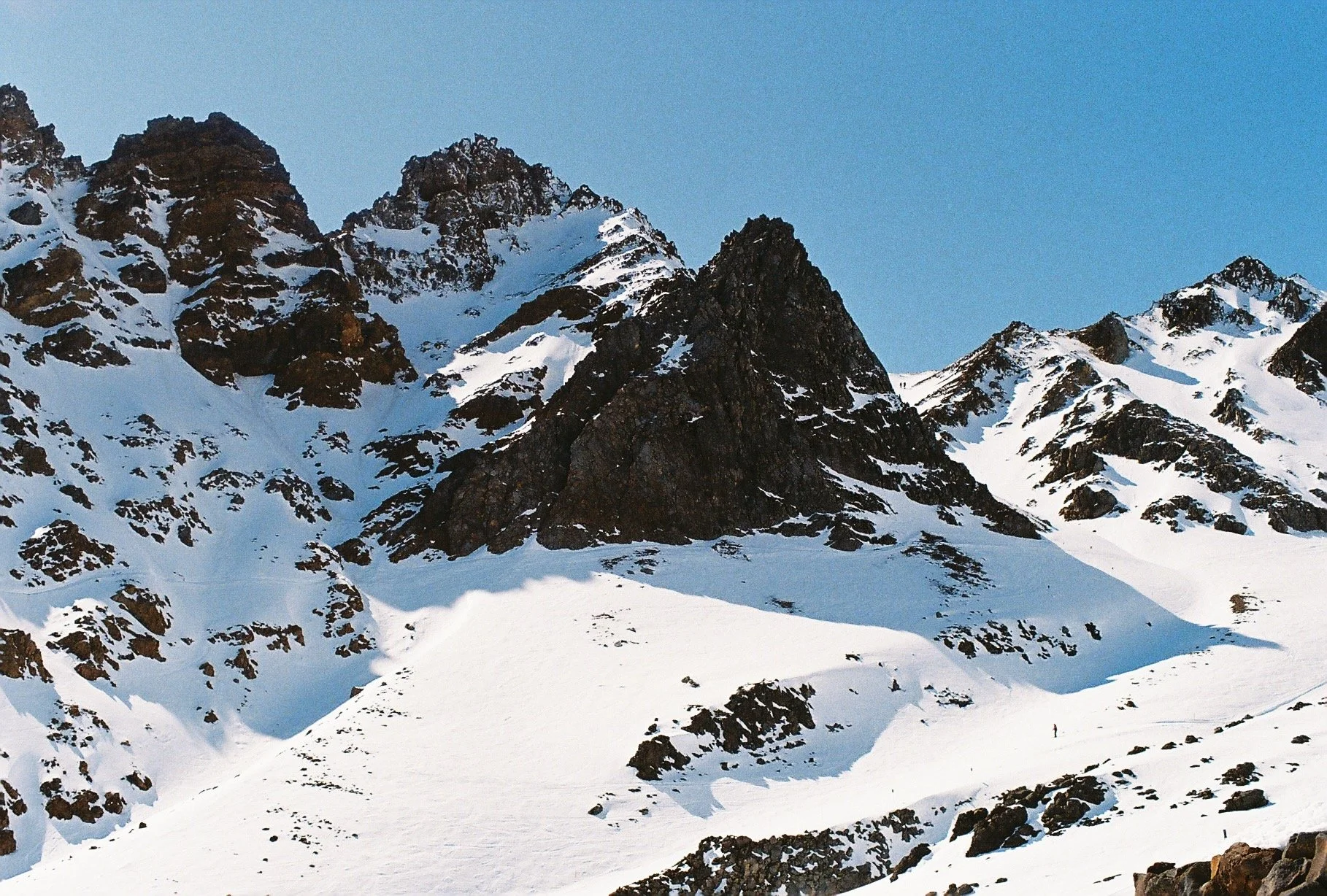
Saturday dawned clear and cold, the smell of bacon and eggs drifting through the lodge. Outside the kitchen window, Ruapehu stood in stark relief, its snow-covered peak catching the first light of the day. We ate like men and women preparing for a battle—because in a way, that’s what it was. The mountain didn’t care for us, didn’t ask us to come. It was indifferent, and that was what made it beautiful.
We shouldered our packs, heavy with gear that felt like armour. Boots, crampons, helmets—more layers of protection than those who came before us ever knew. The old men and women had climbed these peaks in little more than wool and determination. They’d run up mountains where we trudged, leather slapping against the jagged rocks, and we could only imagine the simplicity of it.
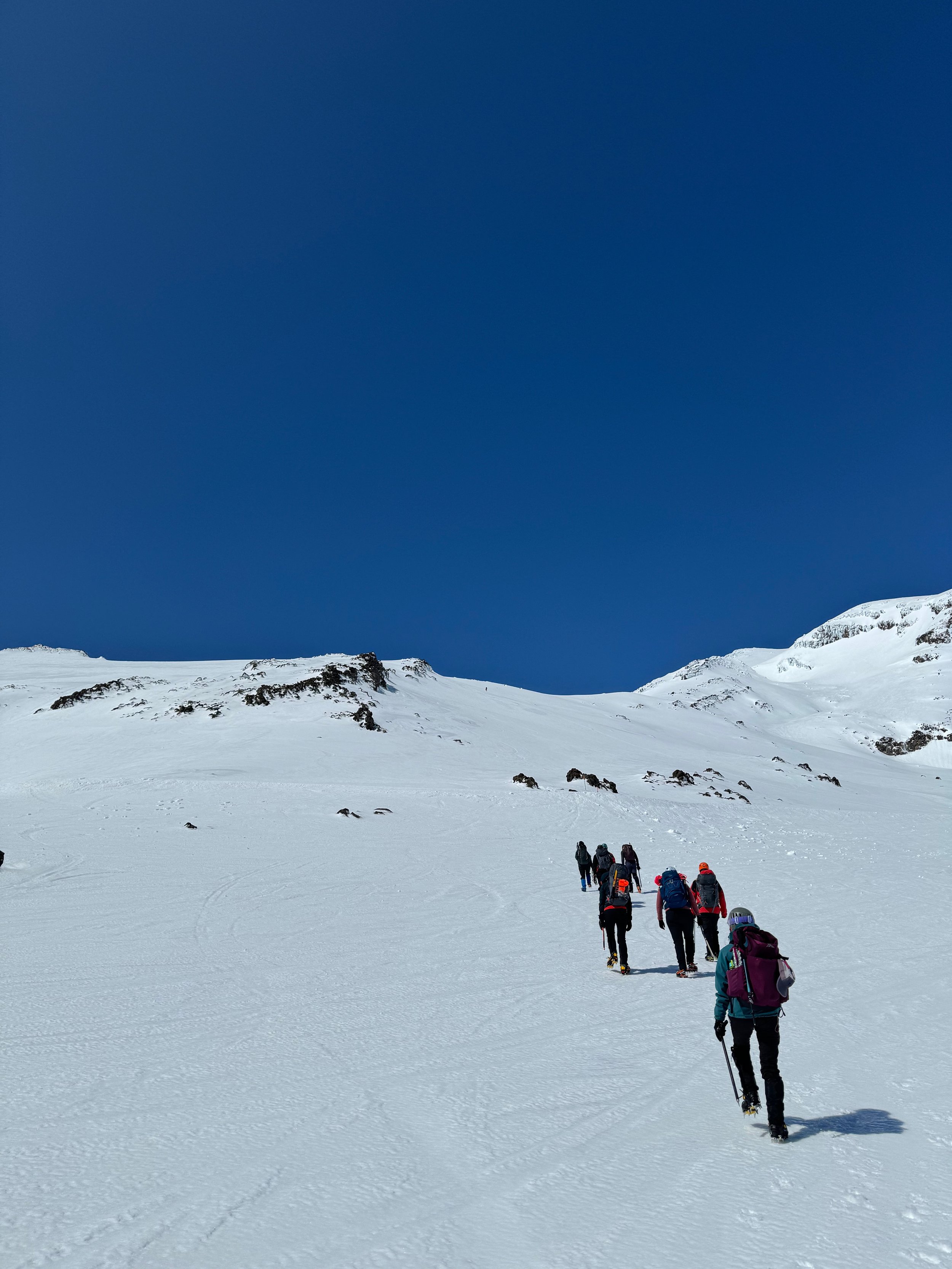
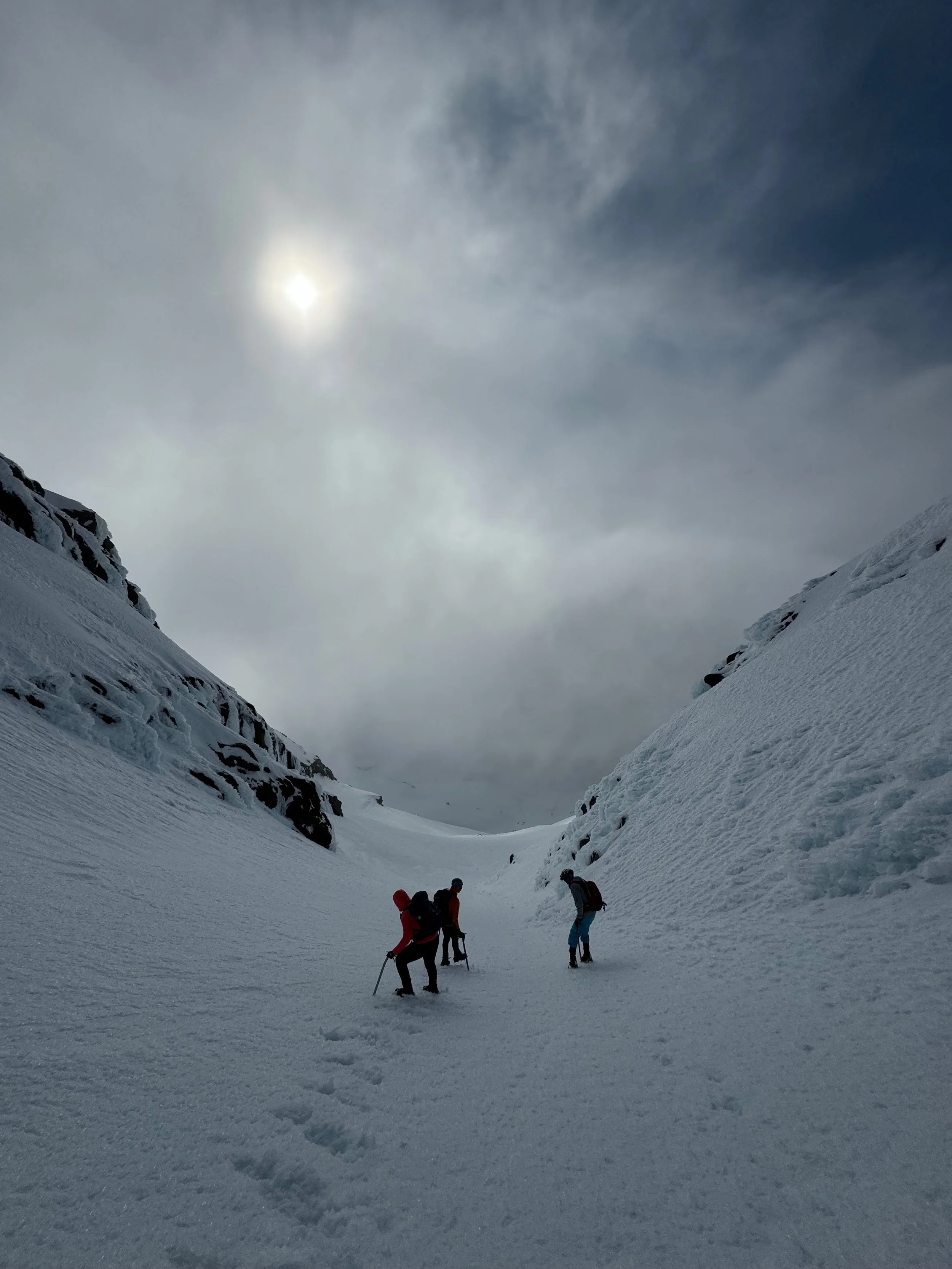
We headed out, not to be carried by the Sky Waka, but to walk, to earn the summit with every step. The snow crunched underfoot, familiar yet strange to those of us who knew more of city streets than mountain trails. Past the gondola, we wound our way towards Pinnacle Ridge. The wind began to pick up, first a whisper, then a roar, pushing against us, testing our resolve.
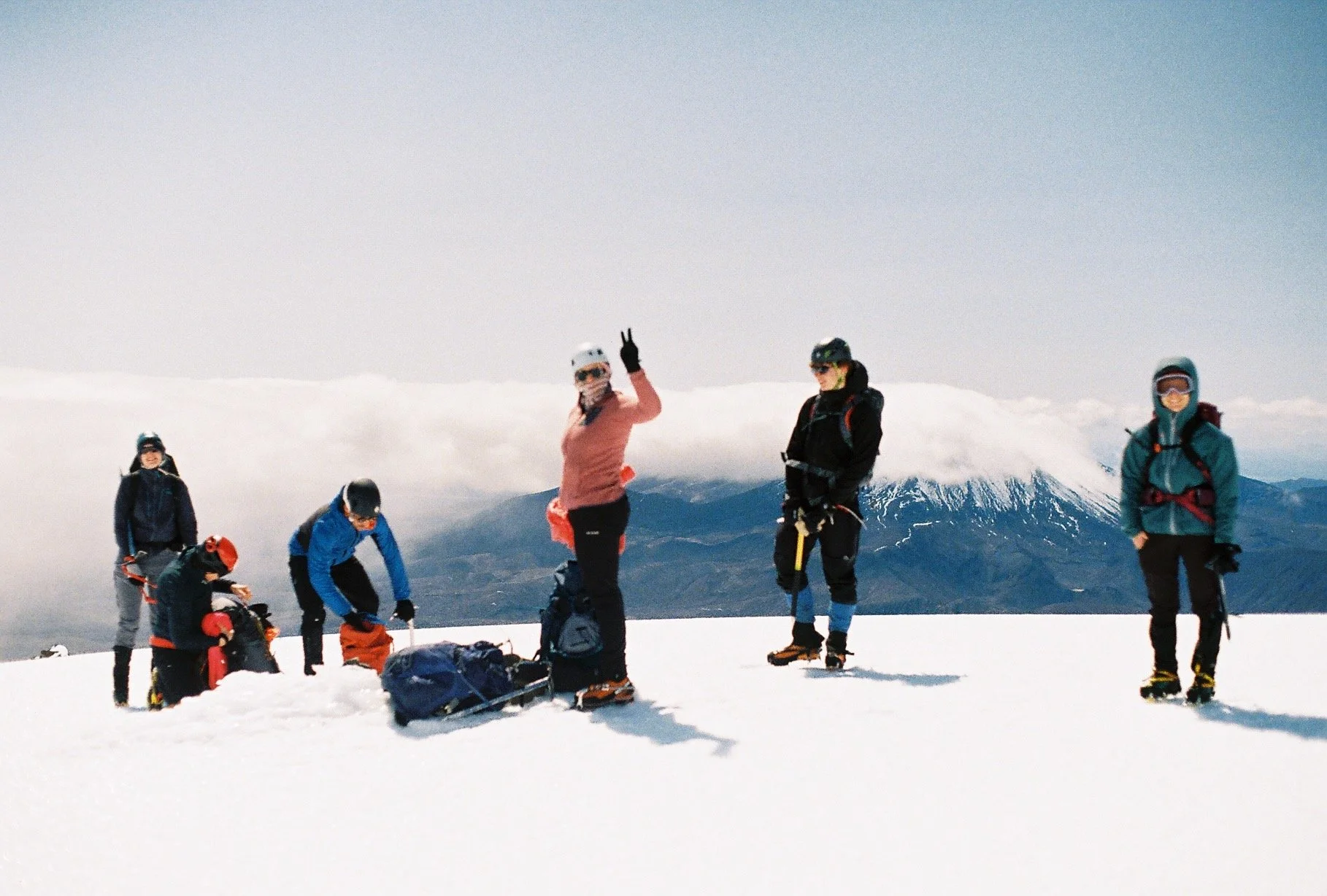
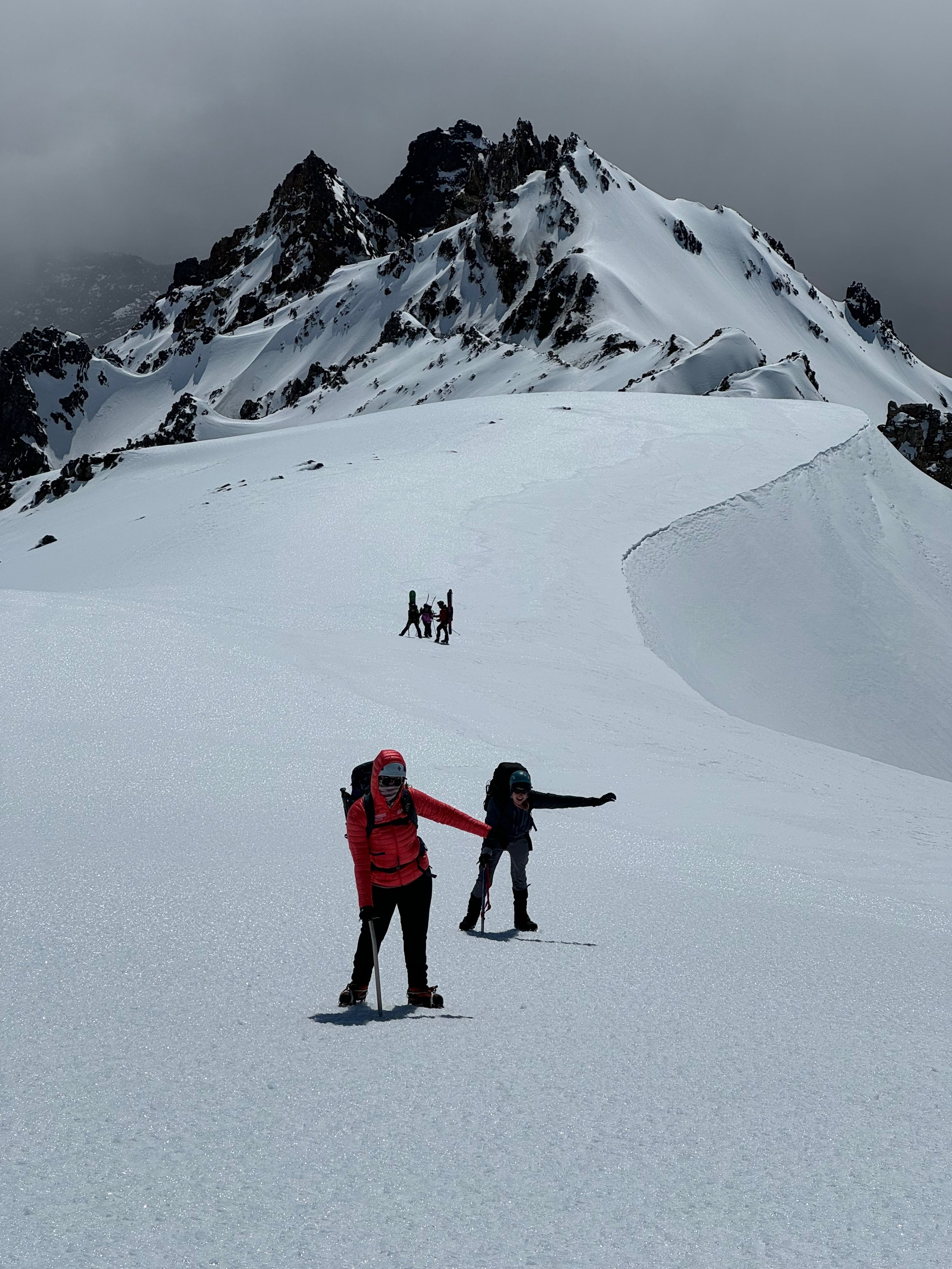
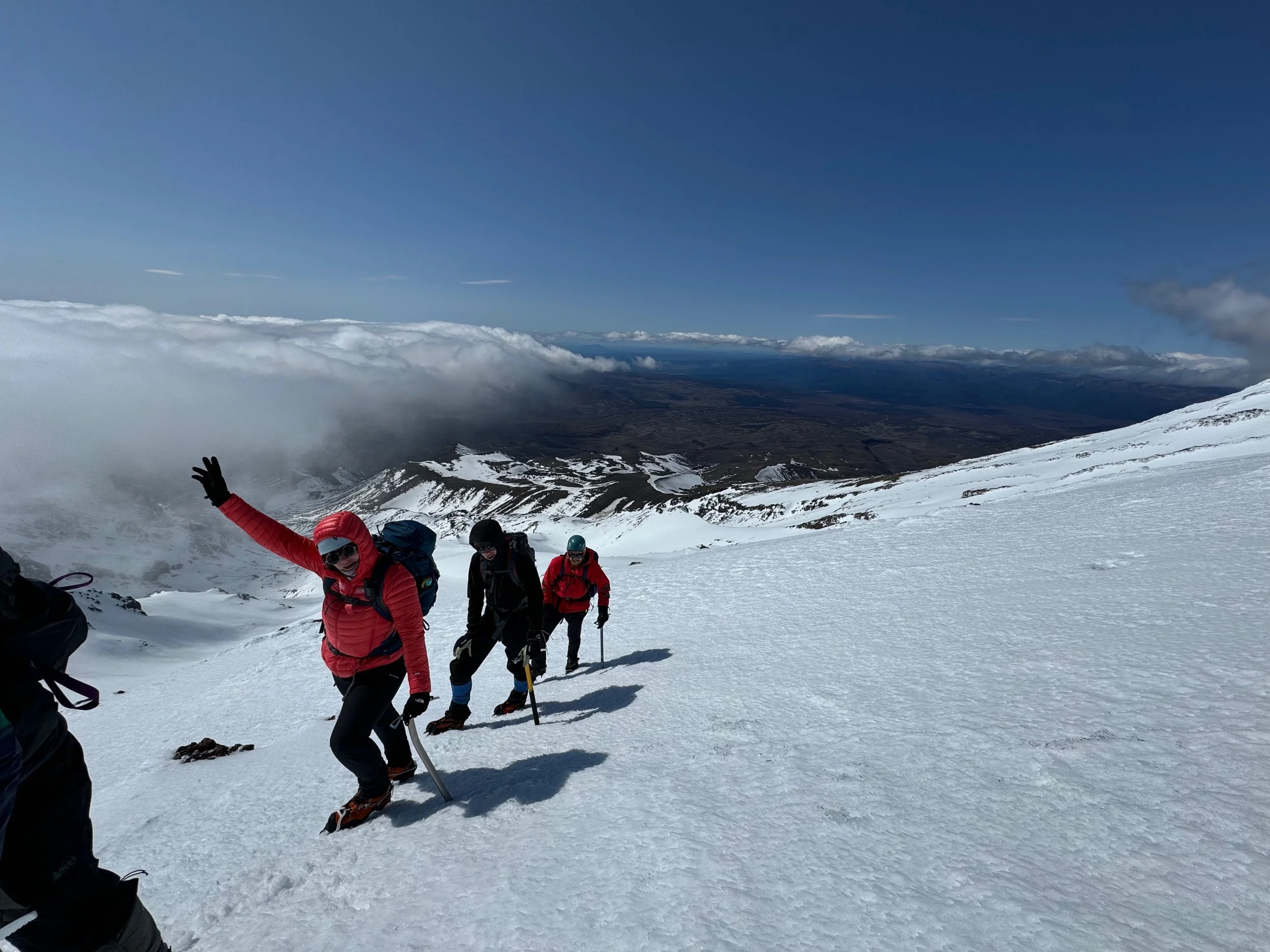
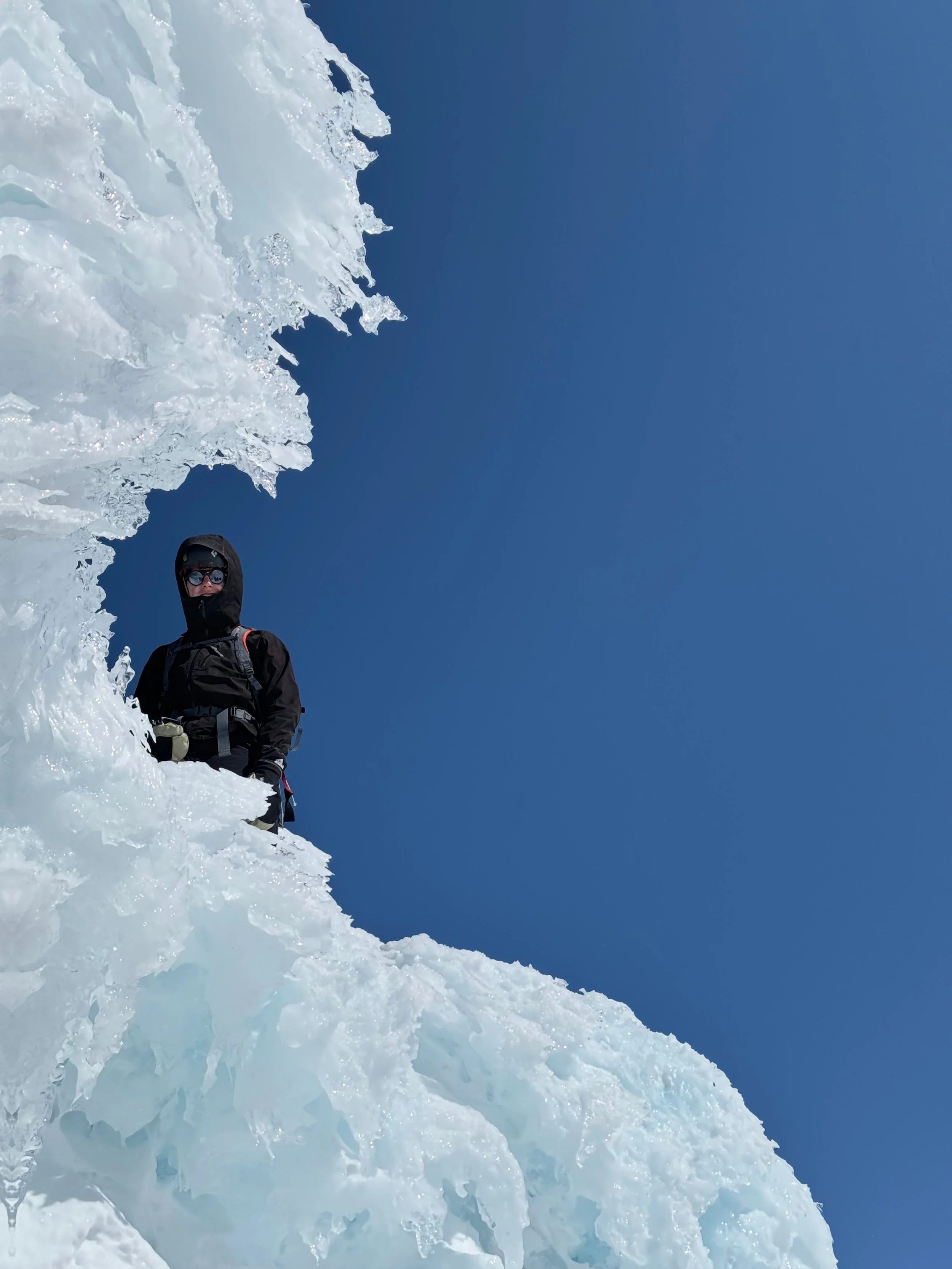
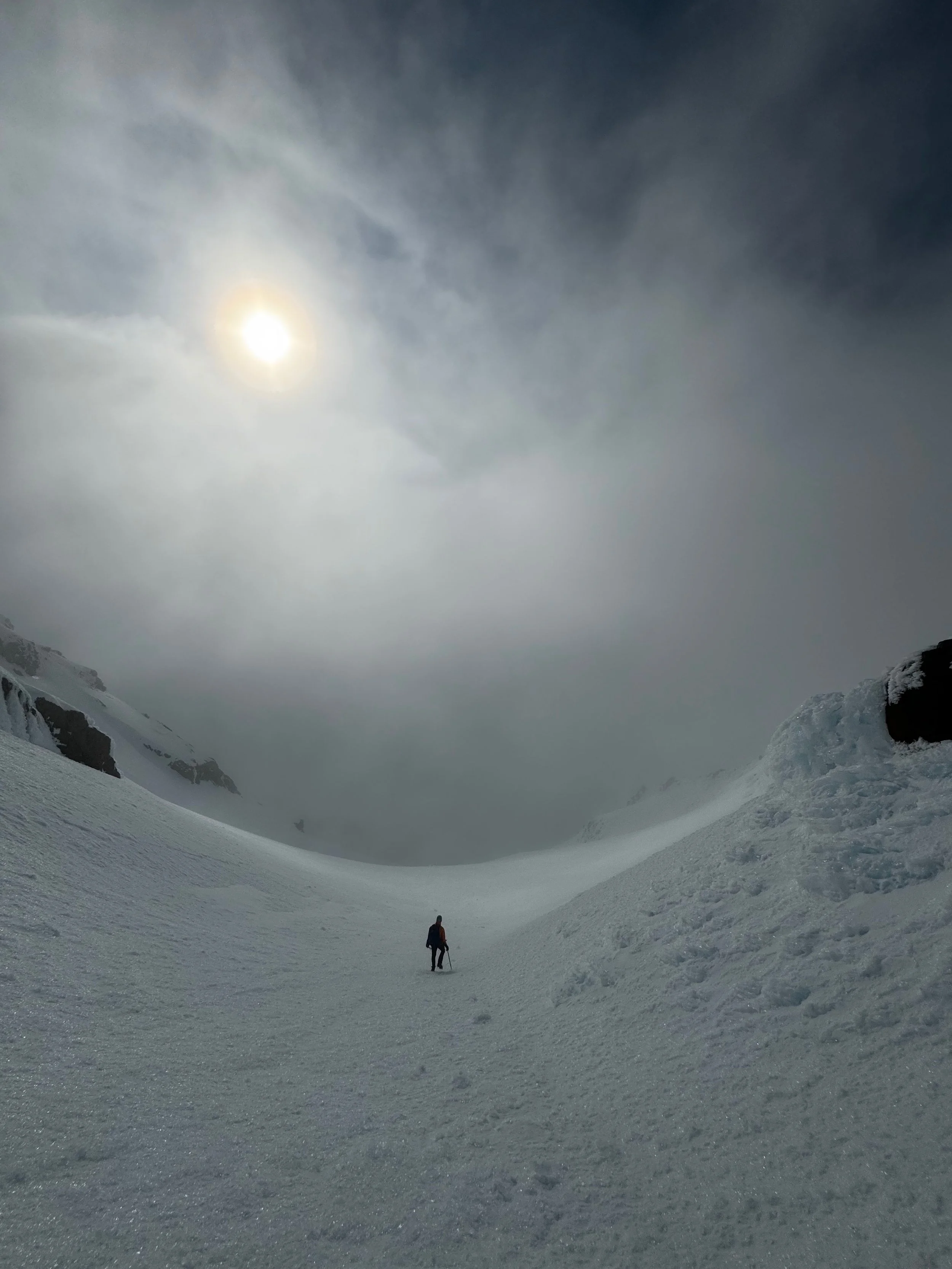
By midday, the mountain had begun to show its teeth. The sun melted the top layer of snow, alternating between thin crusts of ice that gave way underfoot and patches of frozen armoured shell. Eight of our number decided to turn back, the weight of the mountain too much for today. Those of us who stayed, driven by something we couldn’t quite name, pressed on. Higher, where the wind grew sharp and cold, where the ice hardened beneath our boots, making each step a little more dangerous. The summit was close, but in the mountain’s way—always farther than it seemed.
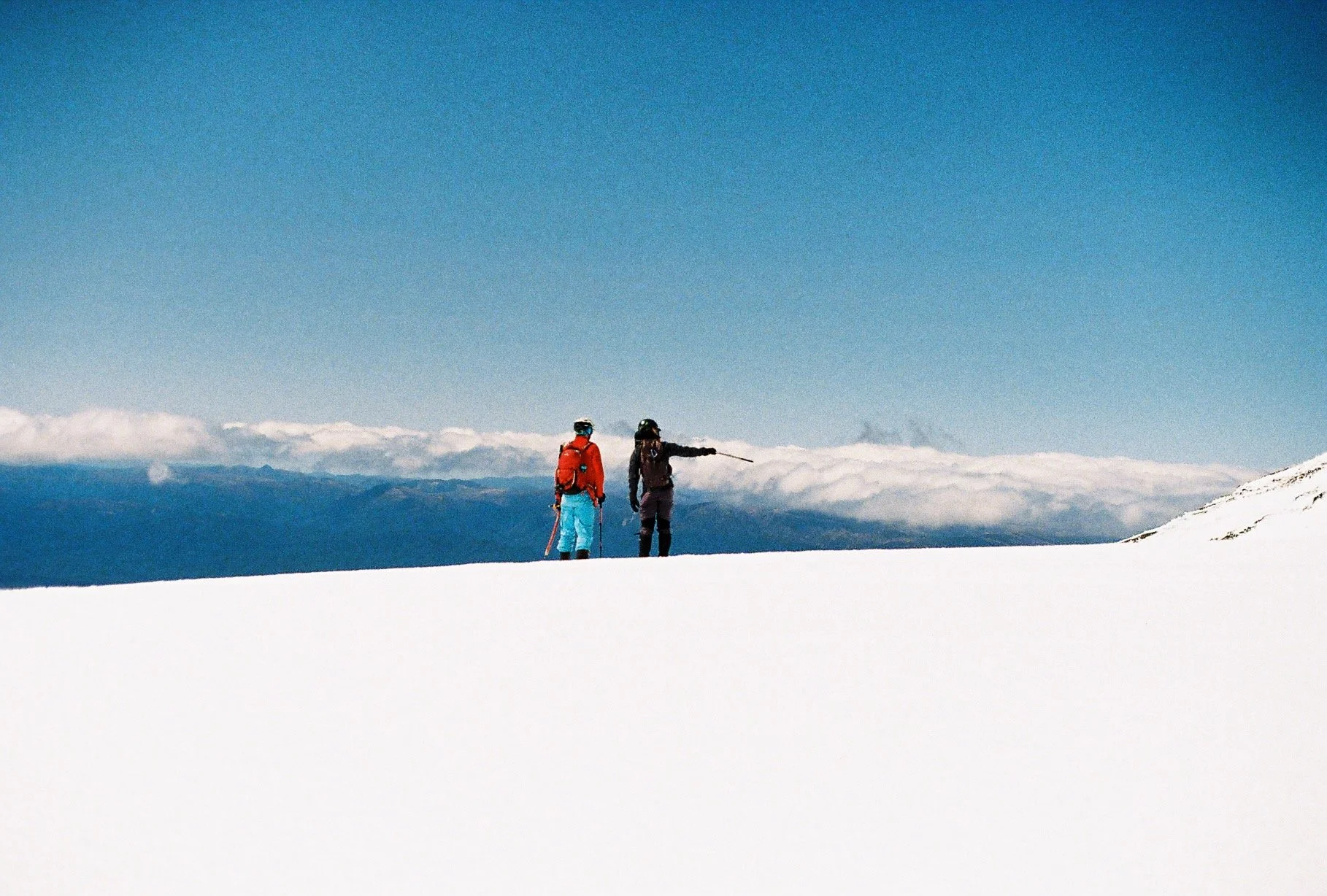
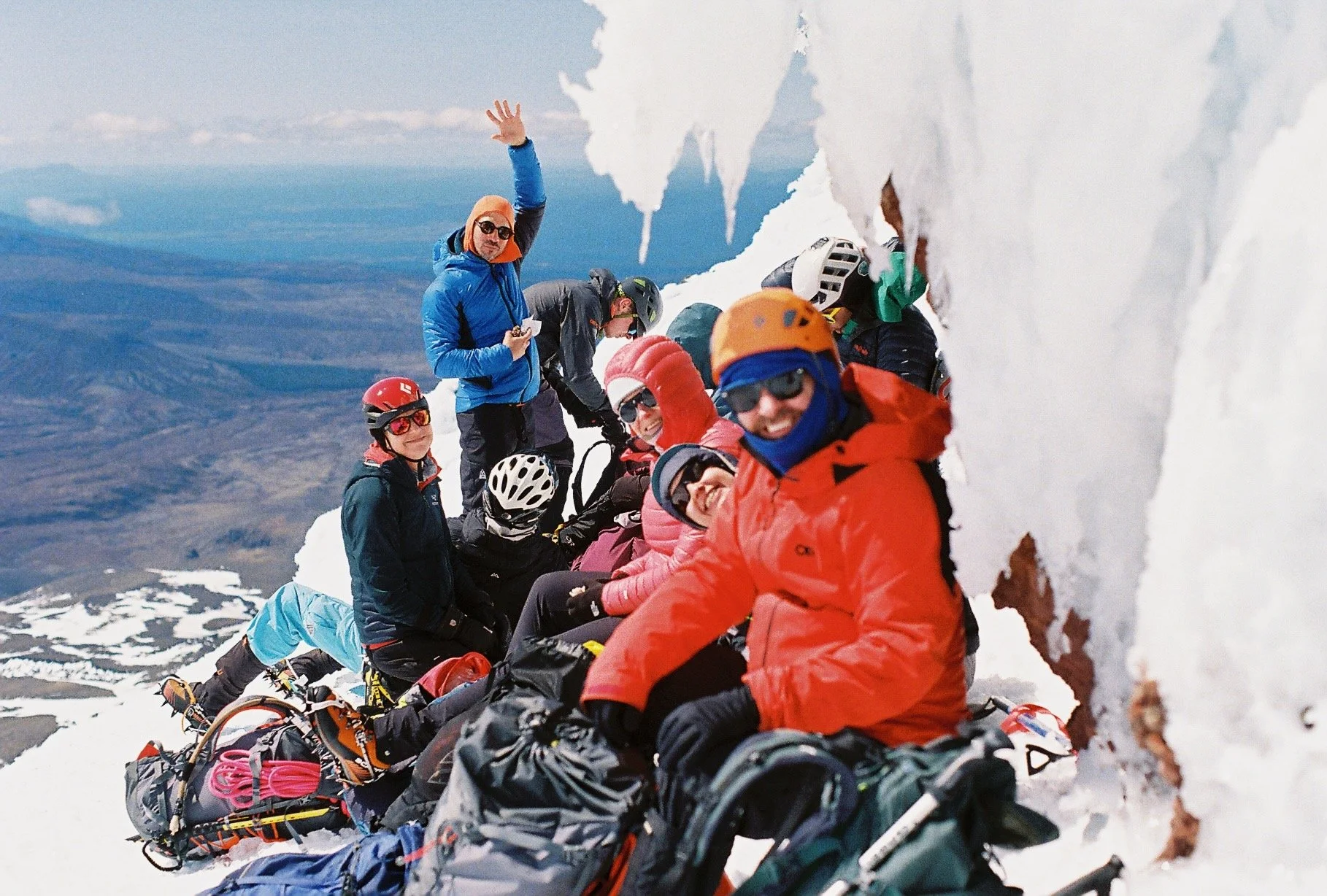
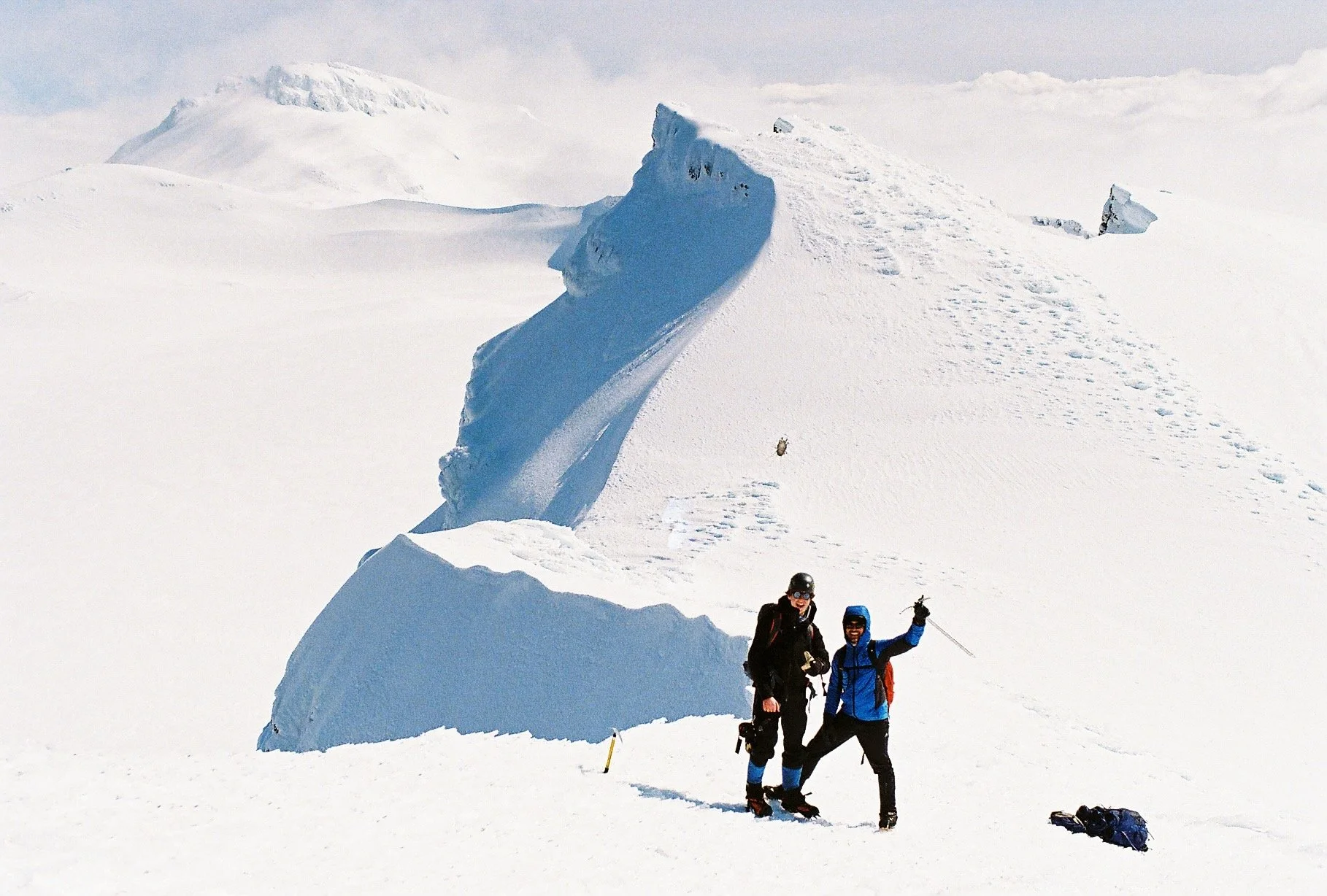
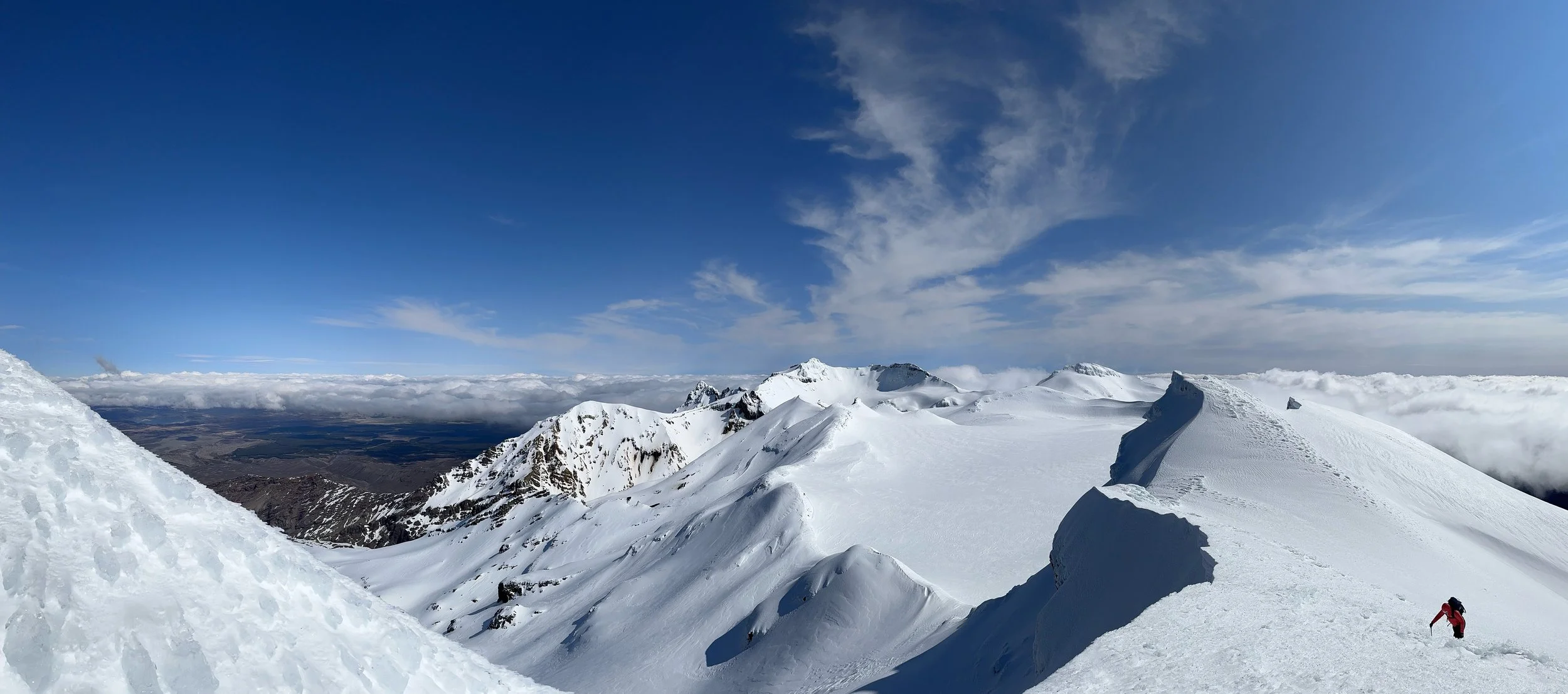
At last, we reached it. The world opened up around us, and we stood in the silence, looking out across Tukino Peak, across Crater Lake, and down into the valleys below. It was quiet at the top, the wind stilled for a moment, as if the mountain had allowed us this one small victory. We breathed in the cold, clean air and let the view settle in our bones.
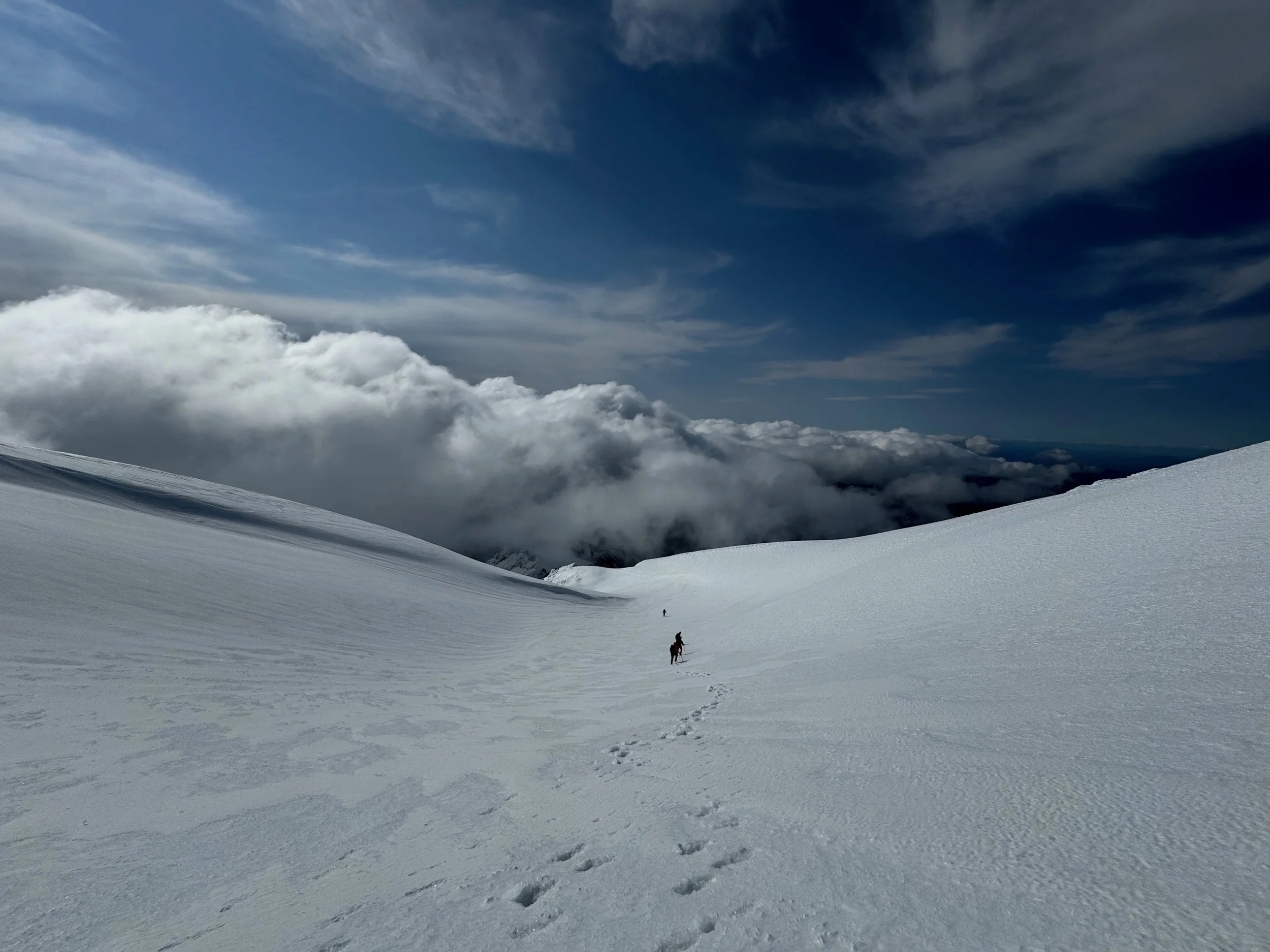
The descent came easier, sliding down the valley with less care than we had climbed, our legs tired but light now, as if the weight of the mountain had been lifted from us. Back at the lodge, the warmth hit us first, then the smell of lasagna, the sound of voices, laughter. We were tired but content, knowing we had faced the mountain and been given a glimpse of something bigger than ourselves.
Sunday morning rose with the same stillness. Some stayed behind, letting their bodies recover from the strain, but a few of us set out again, this time towards Glacier Knob. The climb was different, a steeper plod in parts, requiring a dogged, methodical focus, but our legs were strong now, and the mountain felt familiar. Lunch at the top was a quiet affair, with the taste of biltong bringing back memories of the Kalahari, a world removed. The valley stretched out before us, the world below seeming far away.
We returned to find the lodge packed up, the work done by those who had stayed behind. A kindness, one that felt significant to our weary legs and minds. We loaded the car and began the drive home, the weekend not fading into memory quite yet, still so fresh you could still feel the bite of windborn ice particles on your cheeks.
By the time we reached Bulls, the mountain was behind us, but it stayed in our minds, as mountains tend to do. The kebab shop gave us one last meal together before we parted ways, back to the lives we’d left behind.
The mountain didn’t care that we’d come, didn’t care that we’d stood on its peak or that we’d returned home. But we cared, and that was enough. And we knew, in time, we would return.